Introduction
Navigating the adventure of recovery could be the two a beneficial and tricky experience. For folks who've battled addiction, whether to alcohol, drug treatments, or other resources, understanding their triggers and high-danger instances is critical for long-time period fulfillment. This article pursuits to give insights into Addressing Triggers and High-Risk Situations in Recovery, that specialize in life like procedures, non-public reviews, and expert information that resonate with somebody seeking beef up.
Understanding Triggers in Recovery
What Are Triggers?
Triggers are stimuli that https://squareblogs.net/rhyanngwcf/celebrating-sobriety-creative-ways-to-mark-your-milestones impress cravings or urges to interact in substance use. They shall be emotional, environmental, social, or even bodily. Recognizing these triggers is a pivotal a part of the healing procedure.
Types of Triggers
Emotional Triggers- Feelings along with unhappiness, anger, or anxiety can bring about cravings.
- Places or settings that remind folks of substance use.
- Interactions with folks that motivate or normalize substance use.
- Physical sensations associated with past substance use.
The Role of the 12 Steps in Identifying Triggers
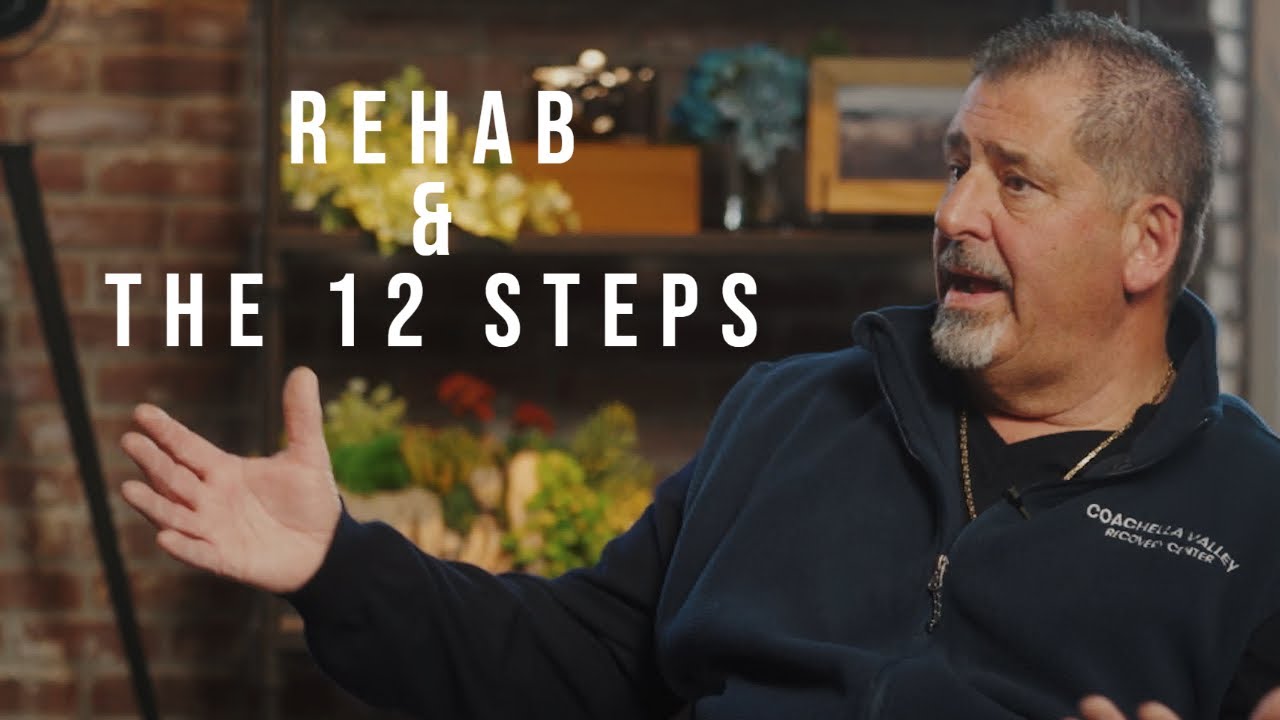
The 12 Step Recovery application promises a sturdy framework for choosing and addressing triggers because of self-reflection and network enhance. By running simply by the stairs with a sponsor or community like Alcoholics Anonymous (AA) or Narcotics Anonymous (NA), folks find out how to pinpoint their interesting triggers extra correctly.
High-Risk Situations: What You Need to Know
Defining High-Risk Situations
High-menace situations are situations where an individual will be more vulnerable to relapse caused by exposure to triggers. Understanding these situations is principal for constructing coping innovations.
Common High-Risk Situations
- Parties and Social Gatherings Stressful Life Events Returning to Old Neighborhoods Interactions with Former Users
How the 12 Steps Help Navigate High-Risk Situations
The ideas in the back of the 12 steps help individuals in establishing resilience opposed to excessive-possibility occasions by using fostering responsibility and encouraging proactive communique approximately their struggles.
Strategies for Addressing Triggers
Develop Awareness
Awareness is the first step in the direction of handling triggers appropriately. Keeping a magazine can assistance music emotions and eventualities that result in cravings.
Create a Trigger Management Plan
A structured plan can minimize publicity to acknowledged triggers:
- Identify your properly 3 triggers. Develop an motion plan for every trigger. Share this plan along with your help community.
Utilize Coping Mechanisms
Healthy coping mechanisms such as mindfulness meditation, deep breathing sporting activities, or actual process can diminish cravings when faced with triggers.
Building Support Systems
The Importance of Community in Recovery
Support agencies which includes AA and NA play a relevant function in featuring encouragement for the time of hard instances. Engaging with others who percentage comparable studies fosters a sense of belonging.
Finding Your Tribe
Finding the true group can make the entire difference:
- Look for regional meetings. Explore on-line boards if face-to-face conferences are difficult.
Addressing High-Risk Situations
Planning Ahead
Preparation is vital while looking ahead to excessive-danger events:
- Develop exit techniques for events the place components possibly present. Inform peers about your healing desires so that they can assist dwell responsible.
Engage in Healthy Activities
Having substitute things to do deliberate can distract from workable temptations:
- Organize sober gatherings. Participate in physical games or leisure pursuits that you just experience.
Self-Care Practices
Prioritizing Mental Health
Maintaining mental properly-being is central throughout the time of recovery:
- Regular cure sessions Journaling feelings Practicing gratitude daily
Physical Wellness
Don’t underestimate the have an effect on of bodily wellbeing on healing:
- Balanced diet Regular exercise Adequate sleep
Mindfulness Techniques
Meditation as a Tool for Recovery
Mindfulness meditation facilitates men and women remain reward and conscious of their thoughts with no judgment. It’s an best suited means to handle cravings head-on.
Steps for Practicing Mindfulness:
Find a quiet area. Focus for your breath. Acknowledge ideas devoid of engaging them.Relapse Prevention Techniques
Developing an Emergency Plan
Having a transparent plan in case of relapse can mitigate spoil:
FAQs about Addressing Triggers and High-Risk Situations in Recovery
What should always I do if I come across a cause?- Take deep breaths, take away yourself from the concern if one can, and utilize your coping procedures like calling a supportive family member.
- Keep a magazine detailing eventualities the place you consider good cravings; patterns will emerge over the years that monitor your specified triggers.
- Not continually; in preference to warding off them solely, get ready yourself mentally and emotionally so that you have gear equipped whilst faced with such cases.
- Yes! Support teams create community connections and present shared studies that validate your emotions even though providing encouragement from others who realise your tour.
- Therapy equips you with personalized coping approaches tailor-made certainly on your needs even as additionally imparting an outlet for discussing painful emotions tied to habit.
- Absolutely! Cravings can come up at any stage; what is crucial is the way you cope with them applying discovered strategies from systems like AA or NA.
Conclusion
Addressing triggers and prime-probability occasions is imperative to conserving sobriety throughout the time of healing journeys prompted by means of systems like Alcoholics Anonymous (AA) and Narcotics Anonymous (NA). With knowledge of non-public vulnerabilities mixed with high quality coping mechanisms supported through neighborhood engagement through twelve-step techniques, participants can navigate demanding situations effectually although construction healthier lives free from dependancy's draw close. Remember—you're not on my own on this direction; there’s continuously hope, assist plausible, and brighter days ahead!